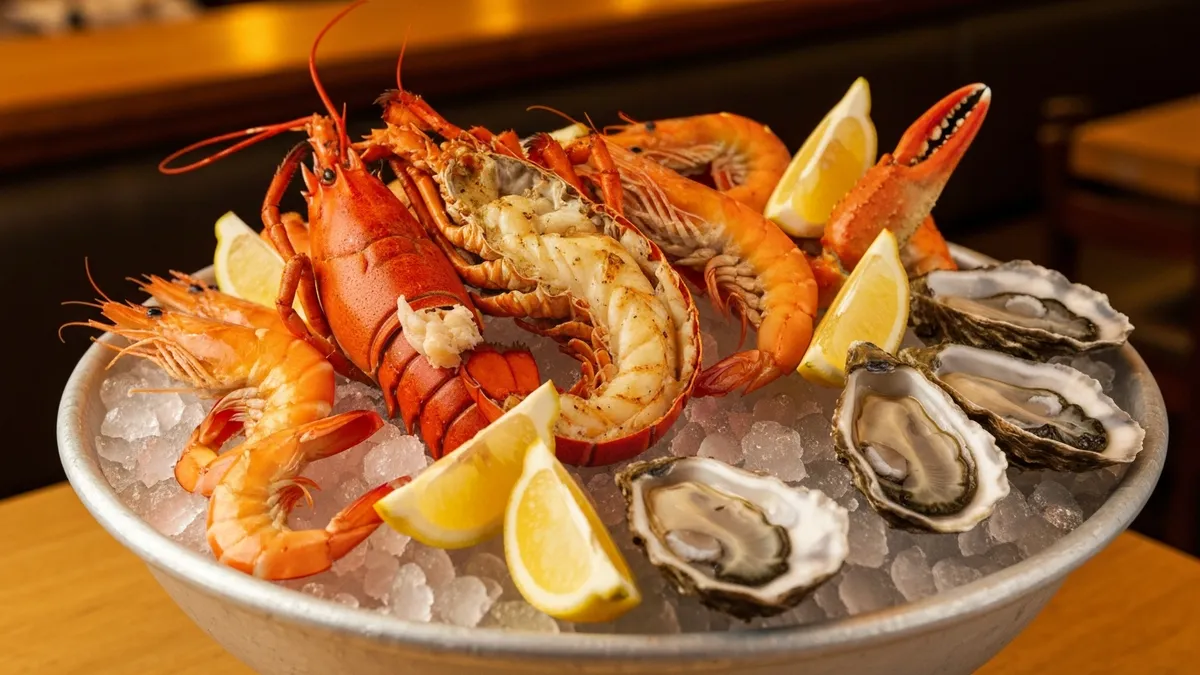
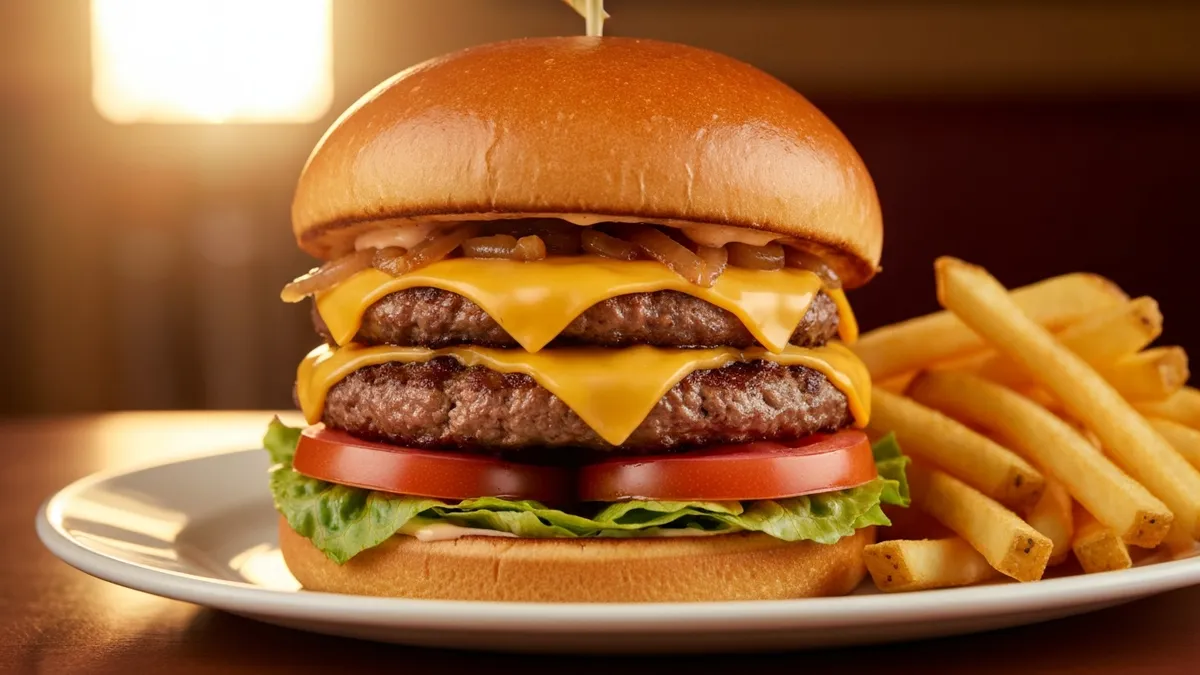
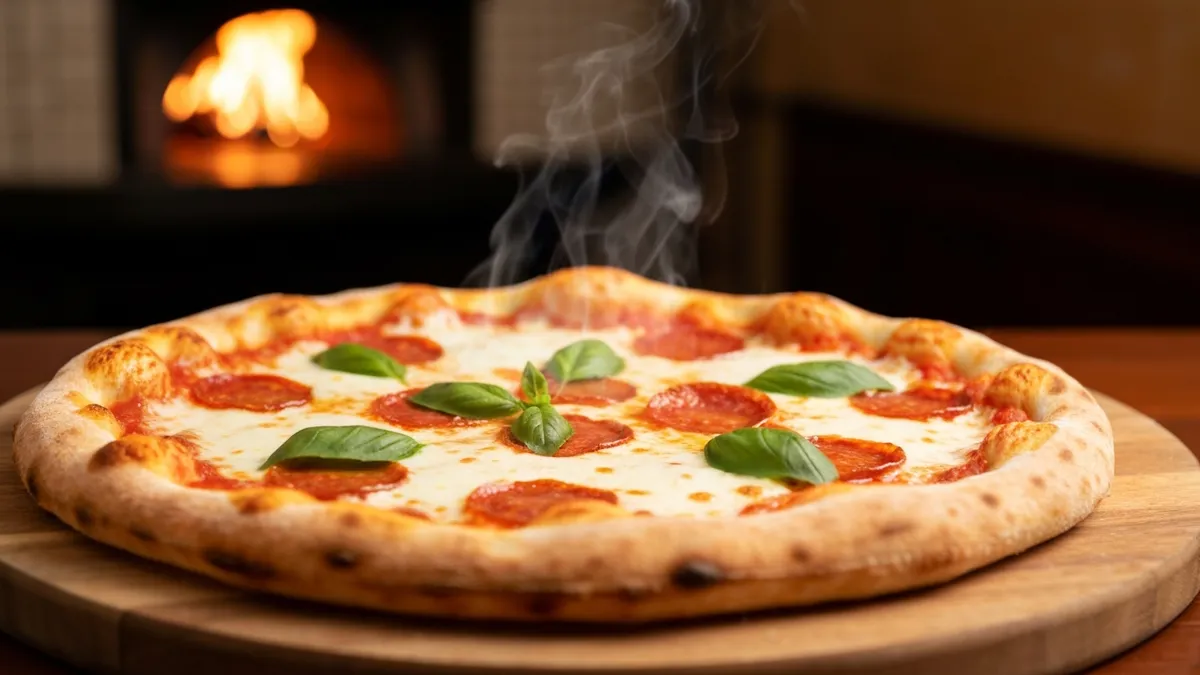
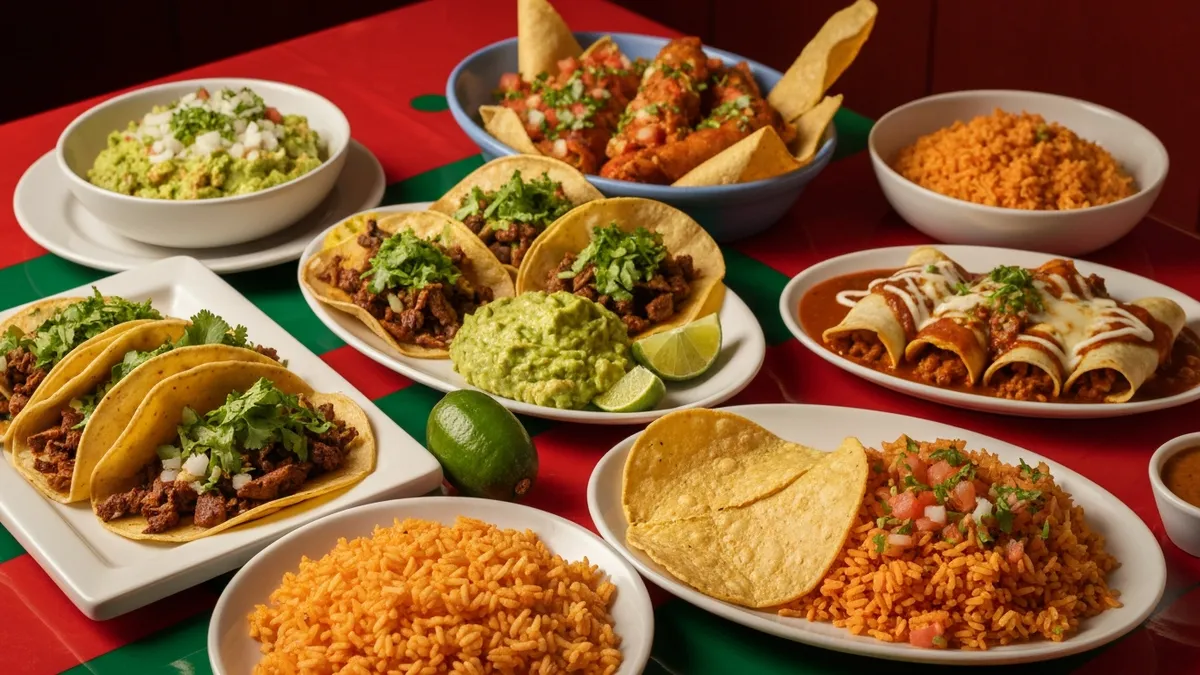
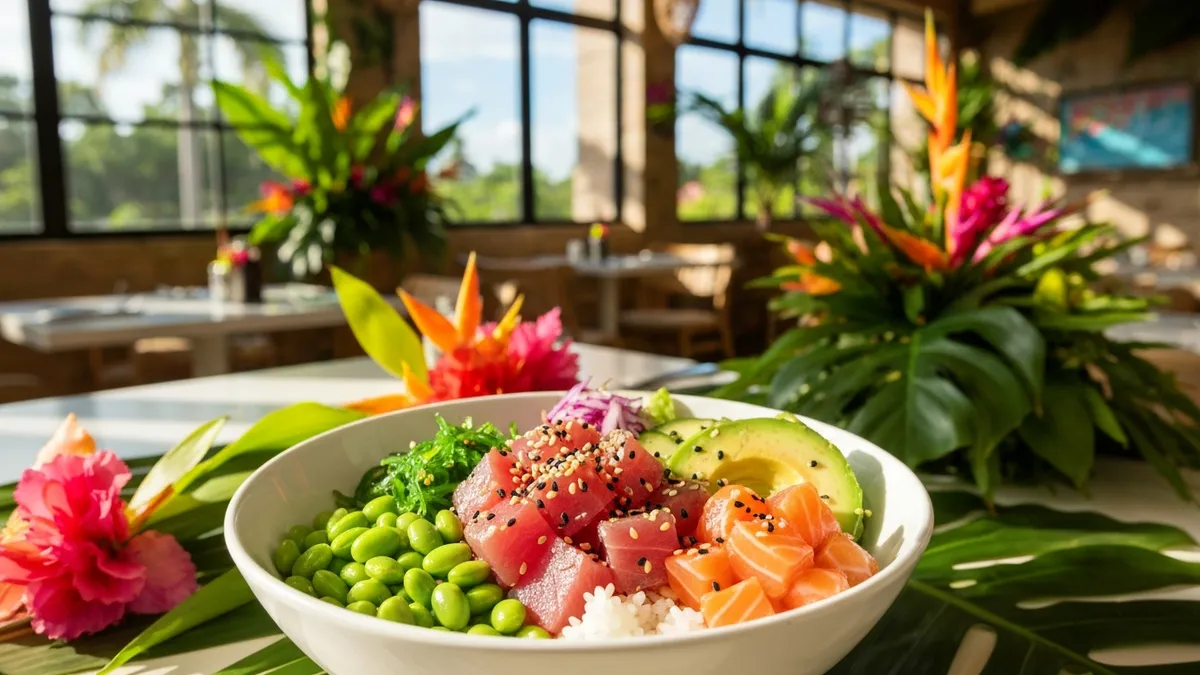
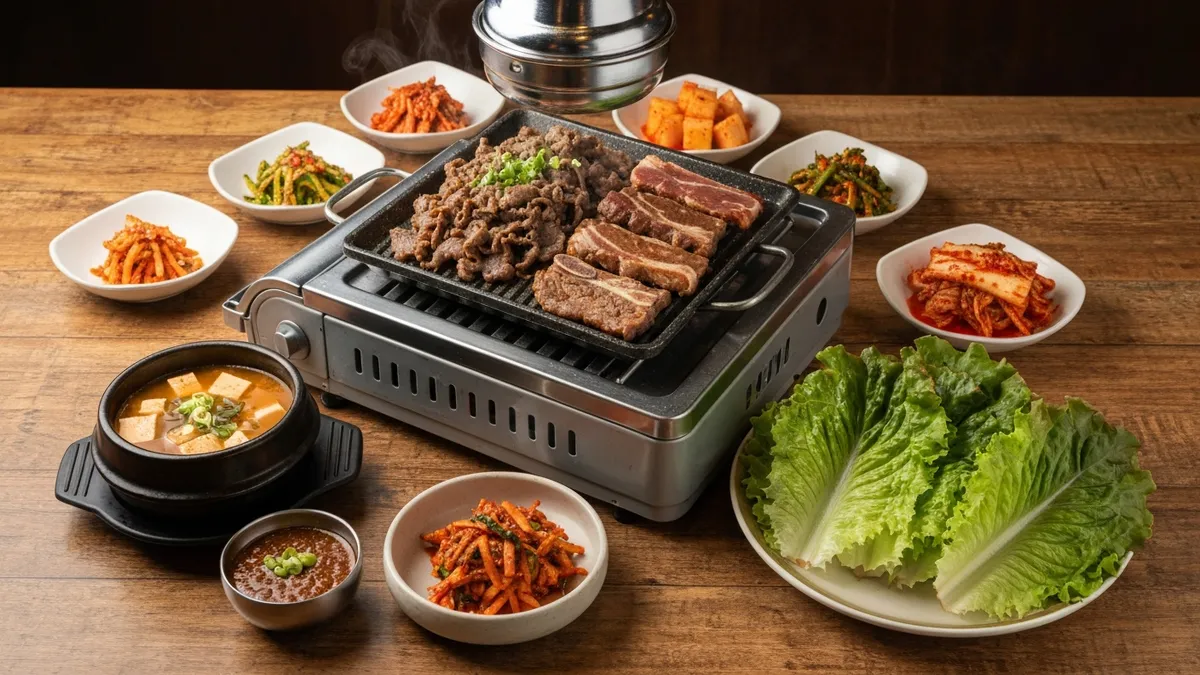
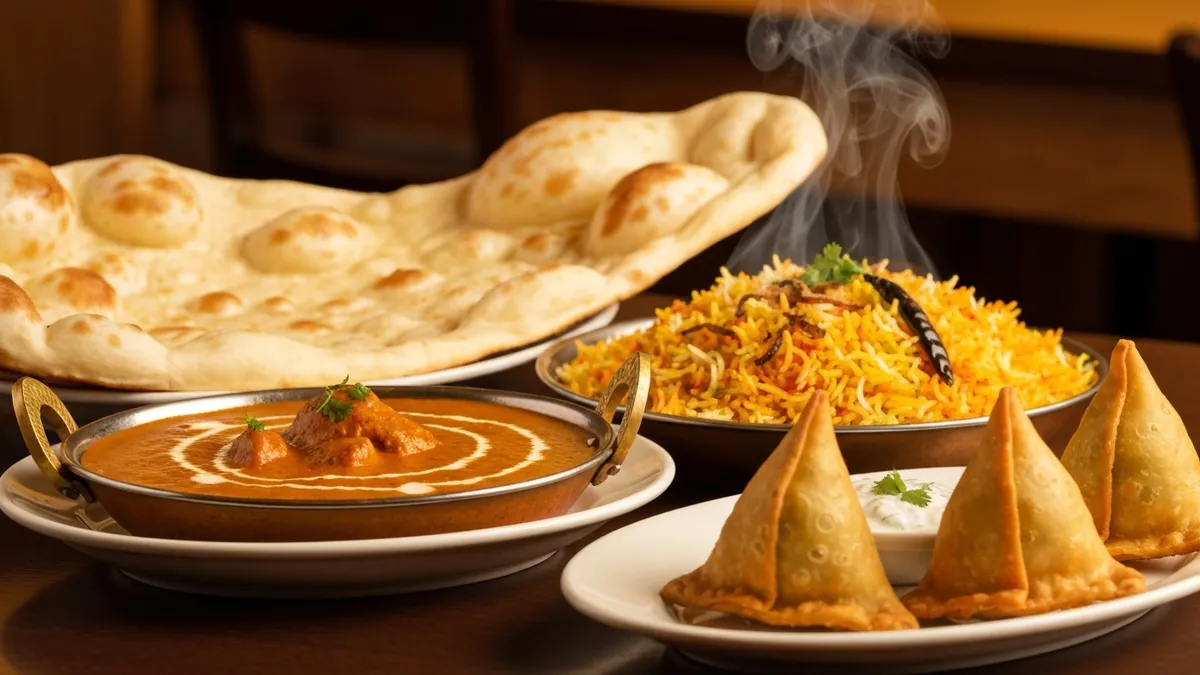
From sushi to BBQ — discover your perfect meal
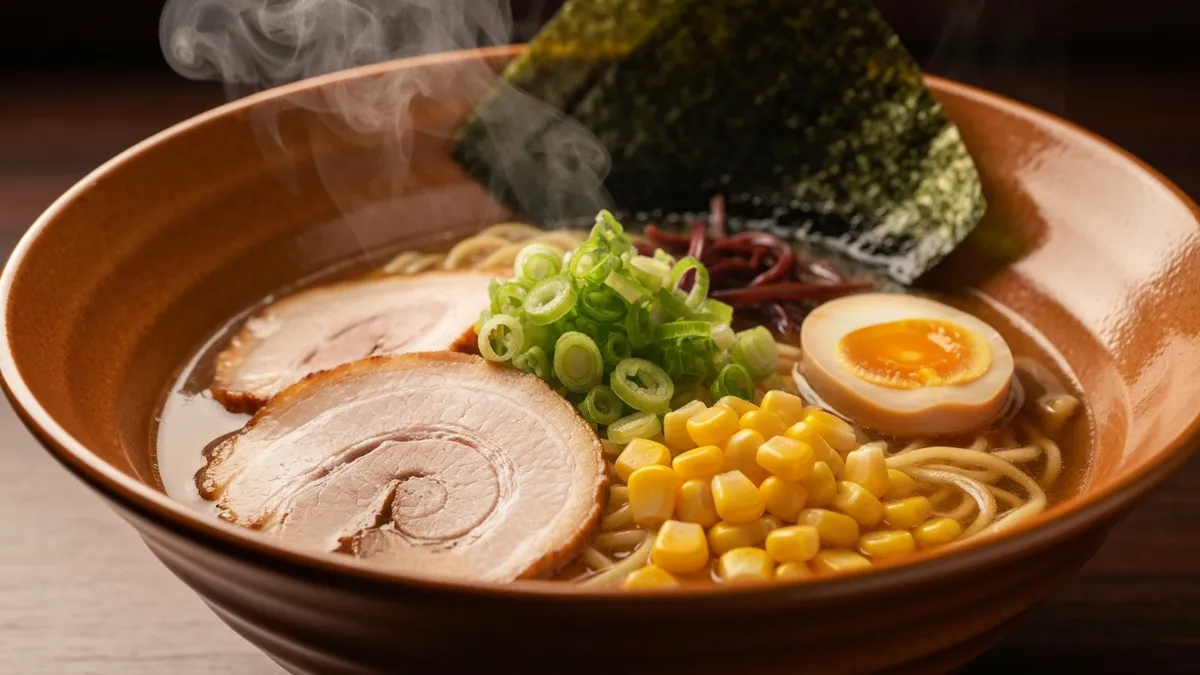
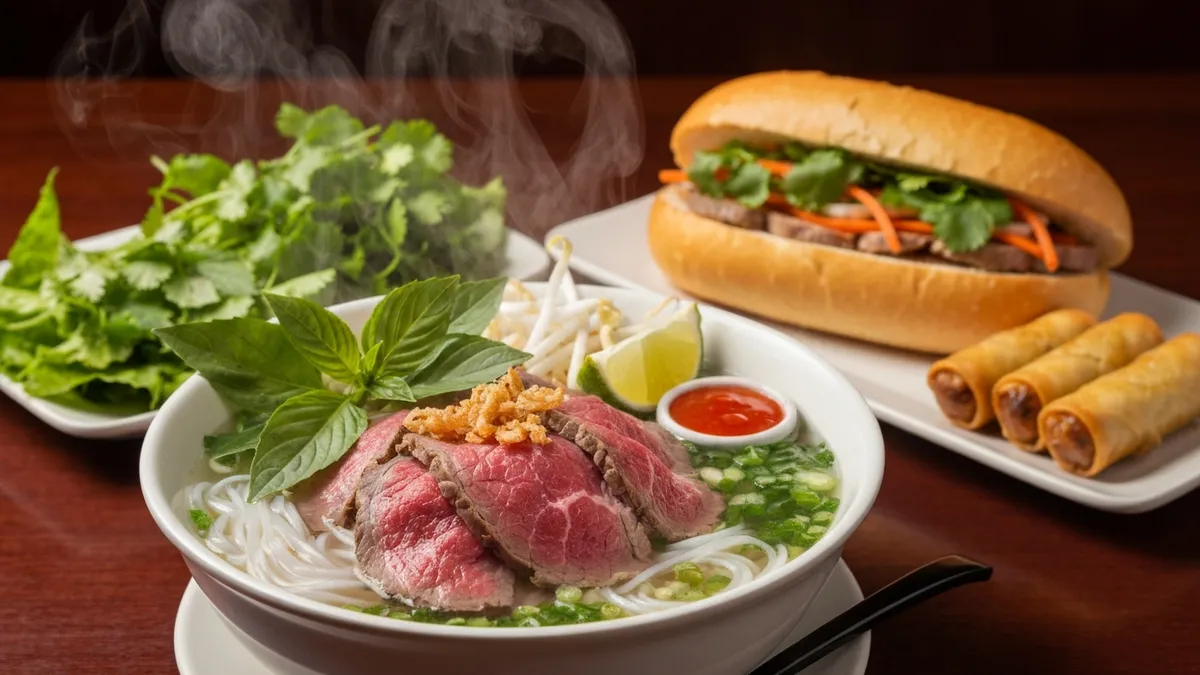
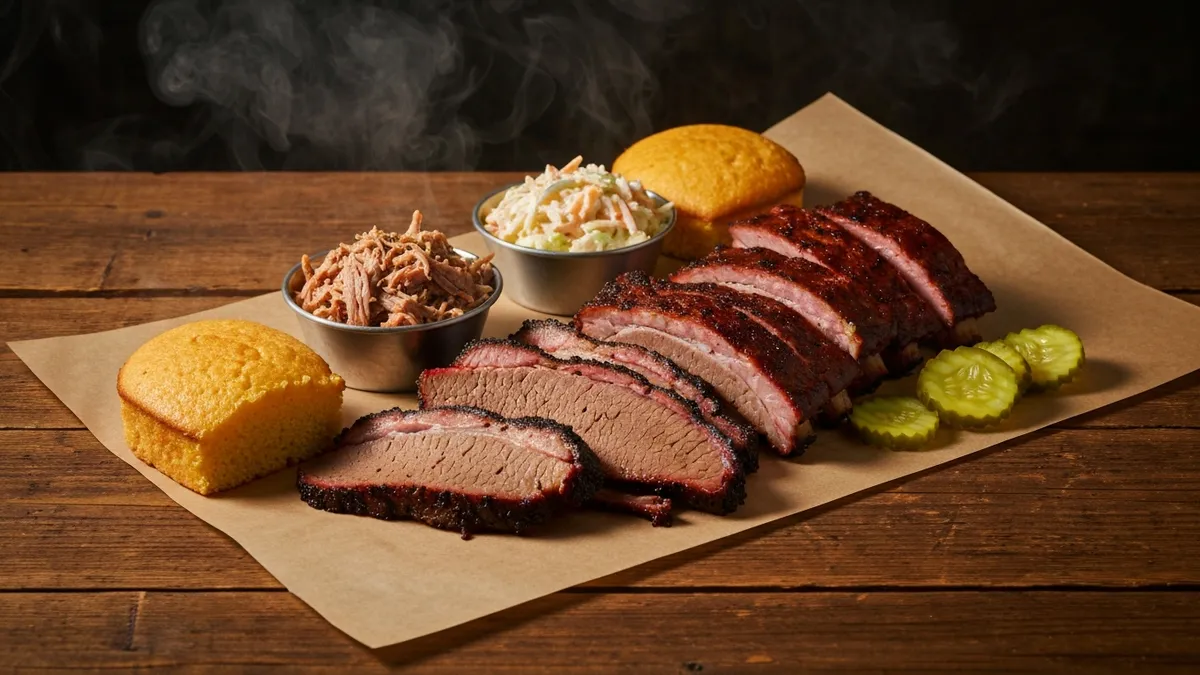
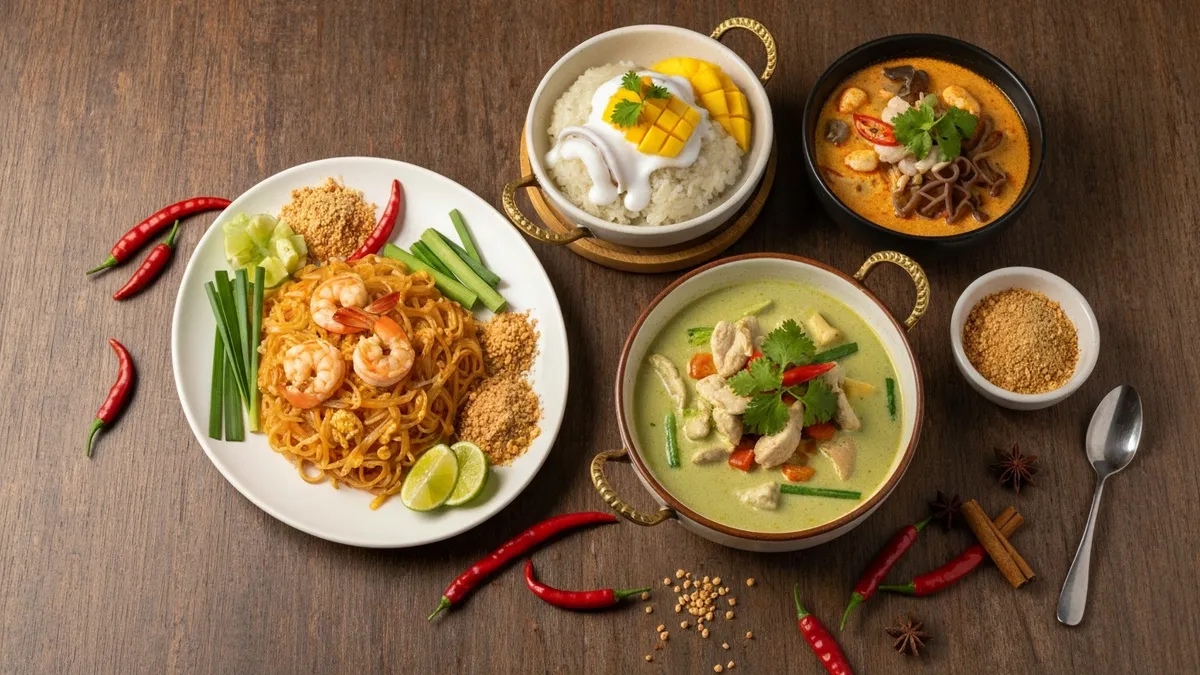
Whether you are craving the delicate artistry of Japanese sushi, the bold spices of Indian curry, the smoky perfection of American BBQ, or the comforting warmth of a Vietnamese pho, DafaMenu helps you find exactly what you want. Every restaurant listed offers direct online ordering — no third-party commissions, just great food at fair prices.
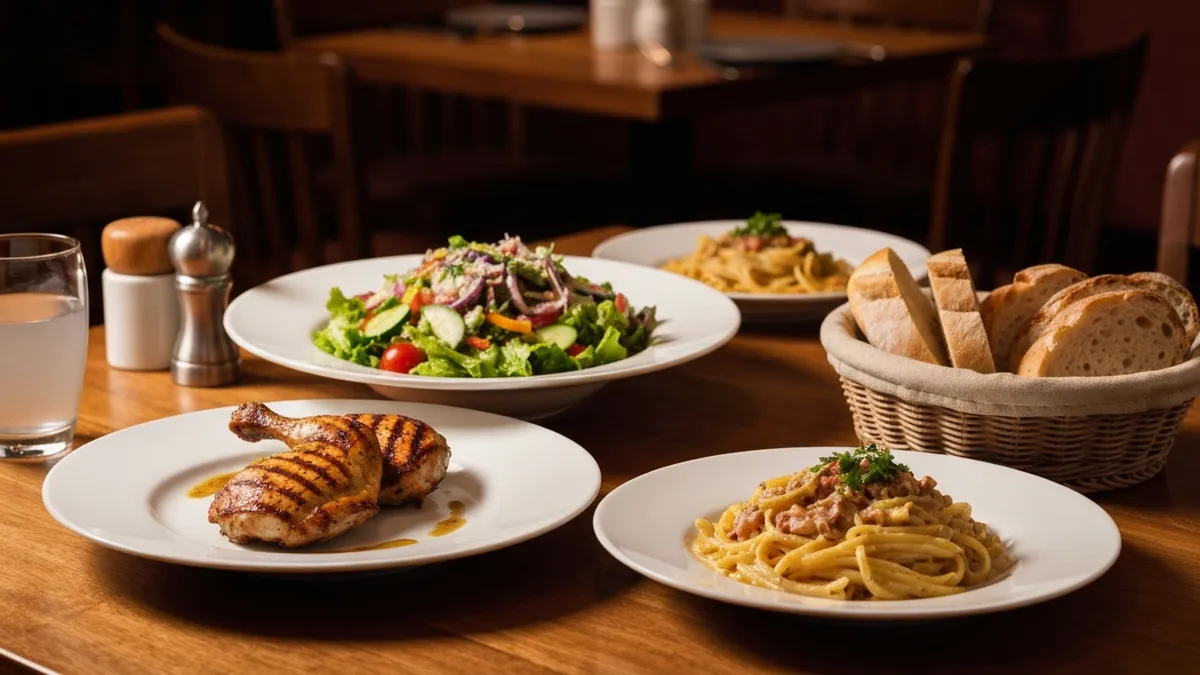
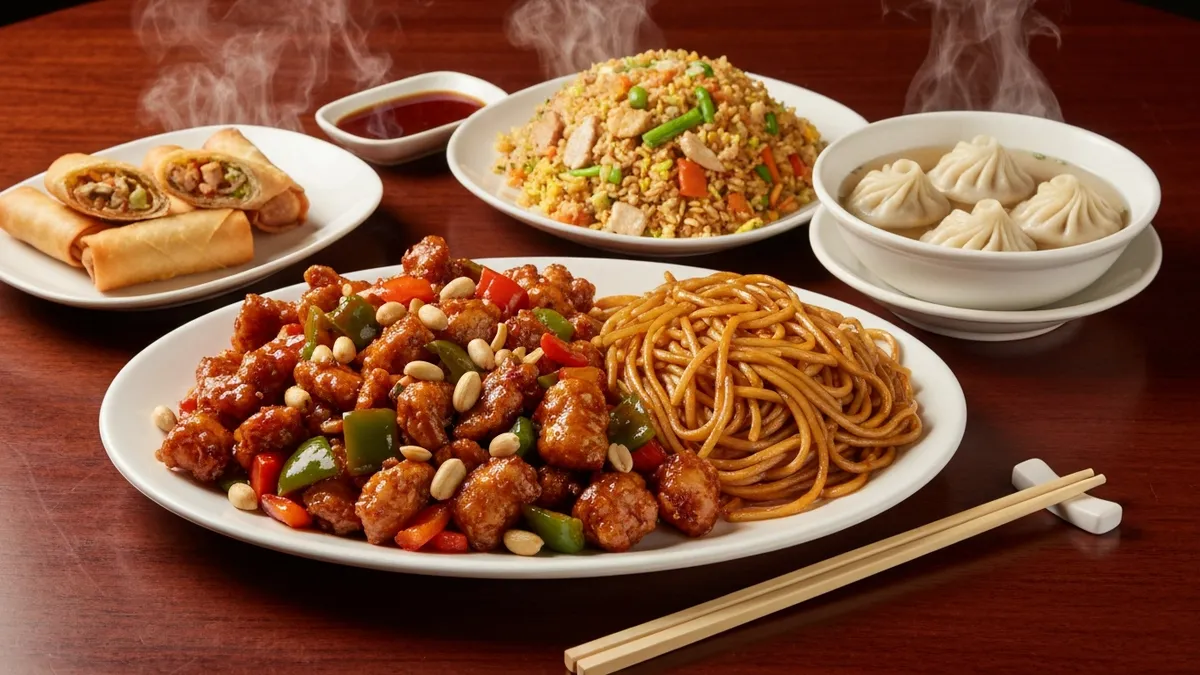
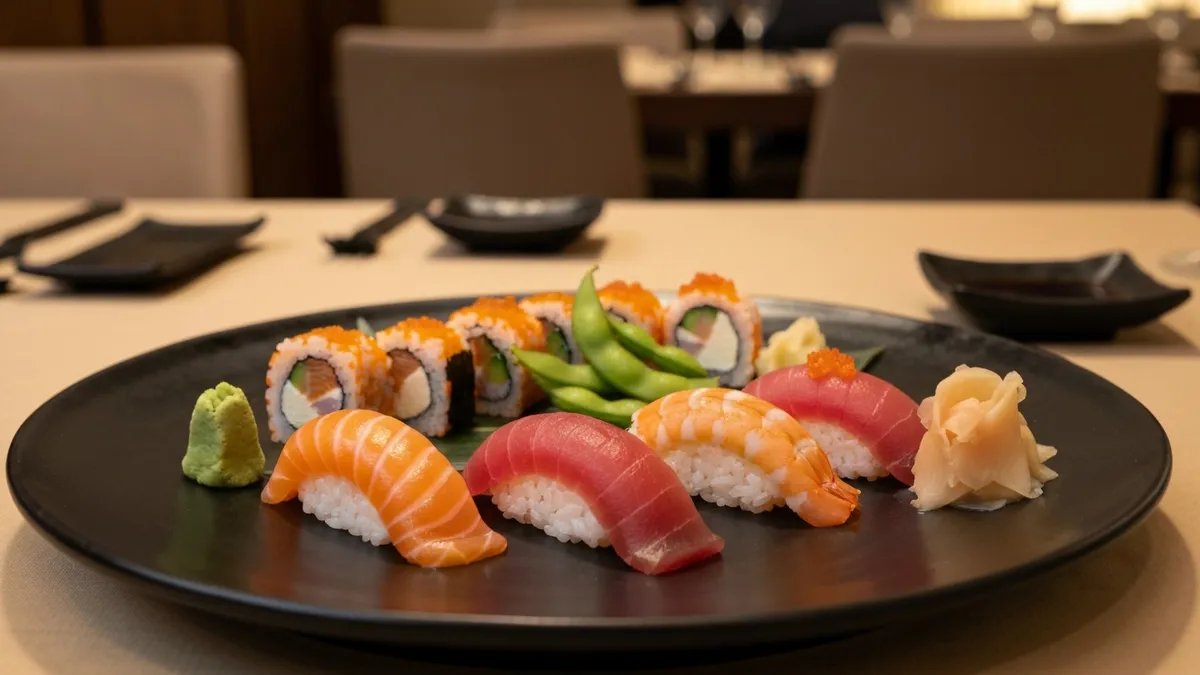
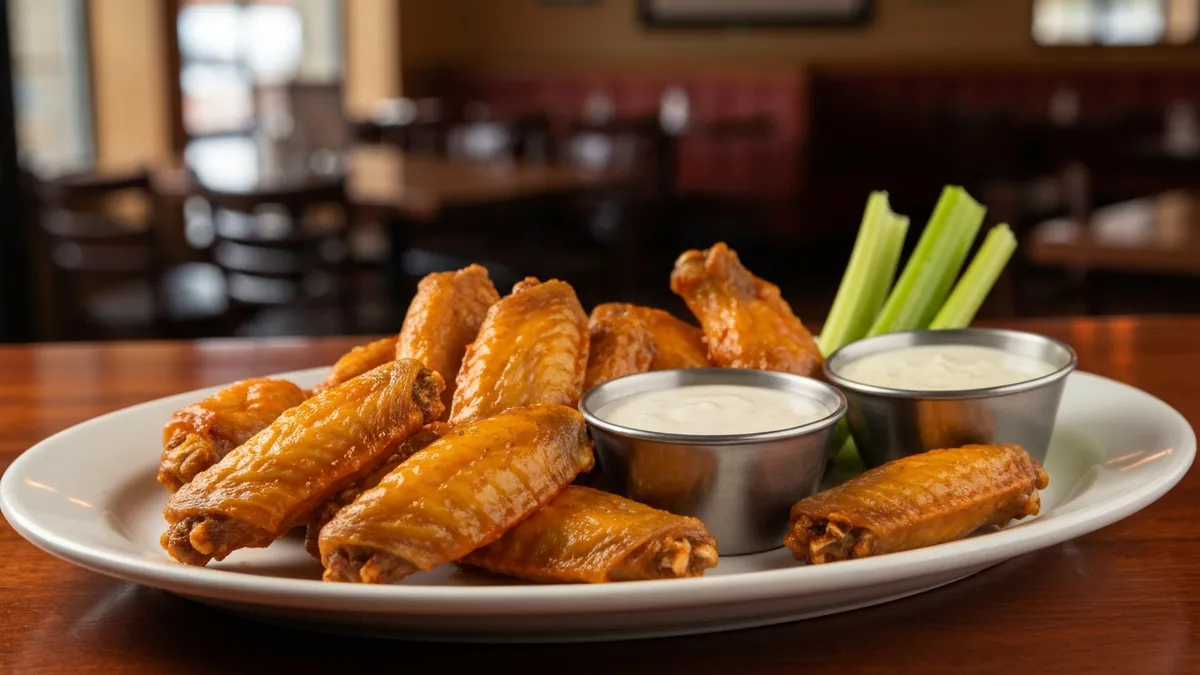
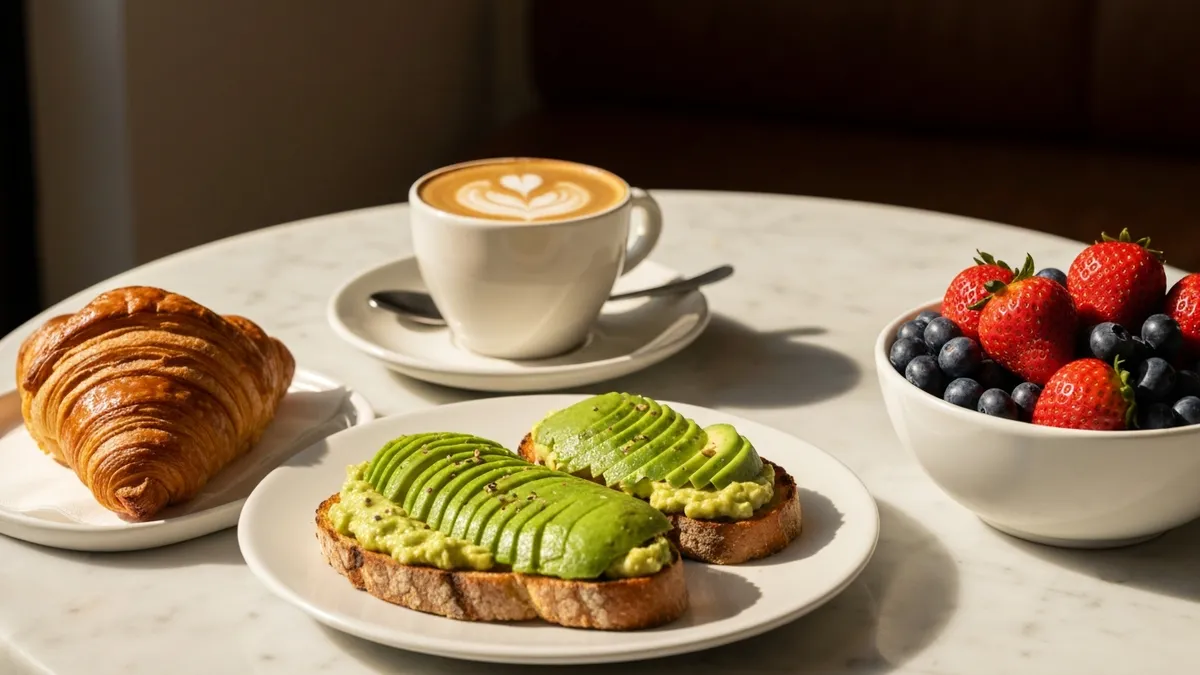
Cuisine pages are useful when the diner knows the flavor direction but not the restaurant yet. Chinese, sushi, wings, seafood, burgers, pizza, cafes, ramen, Thai, Vietnamese, Indian, Korean, barbecue, Mexican, and poke all have different ordering questions. Some dishes are excellent for pickup; others need dine-in timing, careful packaging, or a quick phone call before ordering.
DafaMenu's cuisine pages should help visitors compare the food style, then move quickly to the restaurant's own menu. A strong cuisine page explains what to look for: spice levels, sauce packaging, rice or noodle options, side portions, seafood availability, family meals, and whether photos appear to show the actual food. Those details are more useful than repeating broad praise for a cuisine.
The strongest future cuisine work should connect cuisine pages to city clusters and menu-reading guides so diners can choose faster without leaving the direct-ordering path.
A strong cuisine page explains how to order that food well. It should cover menu vocabulary, texture and packaging, spice or sauce choices, portion expectations, and whether direct ordering needs a phone confirmation. That is more useful than a generic paragraph saying the cuisine is popular or delicious.
DafaMenu's cuisine index should also connect readers to related dining guides. A sushi visitor may need freshness and pickup-timing advice; a wings visitor may need sauce-on-side and crispness notes; a cafe visitor may care about breakfast hours and drink modifications. Those internal paths are the long-term value of the site.
Each cuisine page should point to the ordering questions that matter for that food. Chinese takeout needs family-meal and sauce notes. Sushi needs freshness and timing notes. Wings need crispness and sauce-on-side choices. Seafood needs availability and packaging checks. Pizza needs size, crust, and reheating expectations. Cafe pages need breakfast hours and drink modifications.
That structure gives DafaMenu a defensible reason to have separate cuisine pages. The page is not just a category list; it becomes a reader's shortcut from craving to practical order.
The best reader path often crosses both structures. A visitor may start with sushi, then choose California or New Jersey; another may start with Texas, then narrow to barbecue, wings, seafood, or Chinese food. Internal links should support that movement because people rarely search for restaurants in one straight line.
For AdSense value, this index should keep doing more than listing cards. It should explain what each cuisine page helps the reader decide, then send them to pages with real restaurant records and direct-ordering links.
Every cuisine card should lead to a page that helps diners choose better food, not just a list of links. The page should explain what travels well, what needs a phone confirmation, and what menu details change the final order.
That promise keeps the cuisine index useful even before every category has equal restaurant coverage.
When a cuisine page has enough restaurants, add ordering examples and internal links to strong state pages. When coverage is light, keep the page honest about what is currently listed.
Do not add a cuisine page unless it can help someone choose a real meal.